
How Seasonal Changes Influence Home Buying Decisions
Key Takeaways
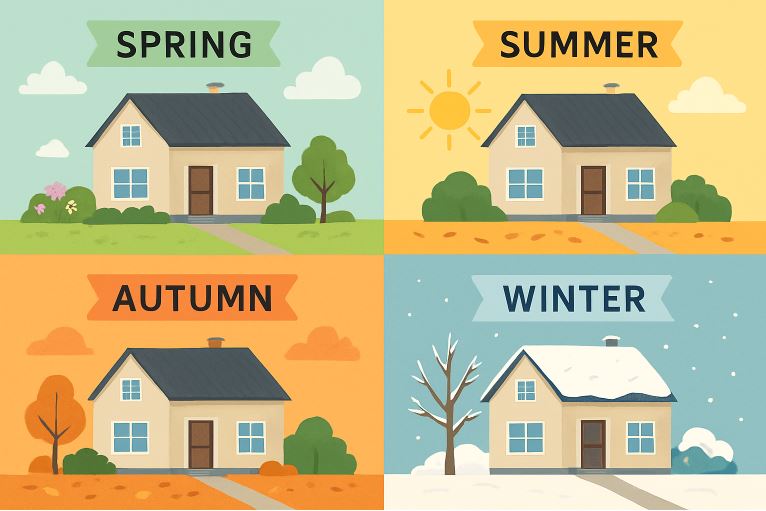
- Spring and Summer: Increased listings and buyer activity often drive prices higher due to competition.
- Fall and Winter: Lower inventory and less competition can result in advantageous deals for patient buyers.
- Regional Variations: Local weather and economic conditions may intensify or moderate these national trends.
Seasonal fluctuations in the real estate market play a crucial role in shaping the behaviors of buyers and sellers. The availability of homes, listing prices, and the overall pace of transactions shift significantly as the year progresses. Understanding when to enter the market not only helps you make competitive offers but also ensures you secure the best possible outcome for your move. For those seeking specific opportunities, such as Naples, FL homes for sale, being mindful of these seasonal influences is crucial.
Across the country, families and investors alike time their real estate activities in accordance with seasonal conditions. The warmer months spur higher activity and competition, while colder seasons often bring price reductions and less crowded open houses. By being aware of these trends, buyers and sellers can act deliberately rather than by chance, using the rhythm of the seasons to maximize their investment or sale.
Weather patterns, school calendars, and local community factors all come into play, influencing how quickly homes sell, which properties are listed, and the extent of negotiating room available. Whether you’re moving for work, school, or retirement, the changes brought by each season can directly impact your experience in the housing market.
Recognizing the local nuances and national patterns will empower you to select the ideal time to search or list a property. This is especially true in popular relocation markets, where timing is crucial. For more extensive insights into nationwide trends, you may want to explore extensive coverage and housing data from Realtor.com.
Spring: The Peak Season
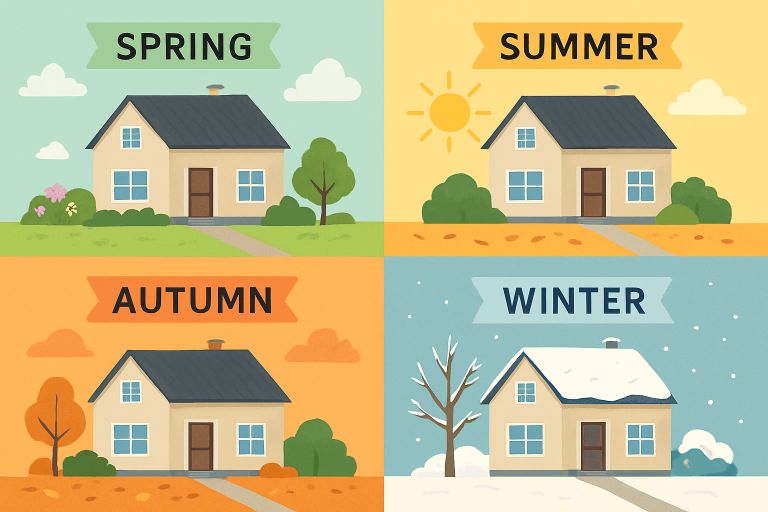
Spring consistently stands as the most active time in the housing market. As days grow longer and temperatures warm, more homes enter the market, and buyers become increasingly motivated. This surge is often driven by families aiming to settle before a new school year begins, as well as by sellers wanting to showcase their properties in the best light. Data from the National Association of Realtors indicates that homes sell far faster in late spring, sometimes within weeks of being listed, with June being a particularly hot month. The fierce competition causes bidding wars and elevated prices, making it the best season for sellers but sometimes the most challenging for buyers.
Summer: Sustained Activity
The momentum generated in spring typically spills into summer, though the frenzy may stabilize slightly. Families, still eager to move during school vacations, keep buyer demand high as long as the weather permits. The process of scheduling viewings, open houses, and inspections is simplified, resulting in smoother and faster transactions. Although prices remain elevated, late summer can see a marginal decrease in buyer competition, offering slight relief to those still actively searching. For detailed market analytics during these active seasons, CNBC’s real estate outlook offers up-to-date trends.
Fall: Cooling Market and Price Adjustments
As the school year resumes and vacations wind down, the pace of the real estate market tends to cool off in the fall. Homes that lingered unsold during the busier months may see price reductions, and sellers become more motivated to negotiate with the smaller pool of buyers. While inventory drops as some homes are pulled from the market until next year, buyers who remain can often secure favorable deals. Homes also spend more time on the market before selling, so patient buyers may benefit from firm negotiations.
Winter: Opportunities Amidst Slower Activity
Historically, the slowest period for real estate is winter, marked by fewer new listings and dampened buyer enthusiasm due to colder weather and holiday distractions. Yet, this slower pace has its perks: buyers face less competition, and sellers may accept lower offers to close before the year ends or before the spring surge returns. The reduced activity can reveal opportunities, especially for investors or those with flexible timelines who are willing to consider homes that need some attention or updates.
Regional Variations
Local climates and market dynamics can significantly alter these national trends. In sunbelt areas like Florida or California, milder winters keep real estate activity relatively steady throughout the year, leading to more consistent pricing and availability. In contrast, markets in the Midwest or Northeast see much more pronounced seasonal swings. Understanding these regional variations is crucial, particularly when moving from one climate to another, as expectations around timing and pricing can differ significantly.
Strategic Considerations for Buyers and Sellers
Buyers seeking less competition and more negotiating power should target late fall or winter for their home search, while being prepared for fewer choices. Conversely, sellers aiming for top dollar should focus on listing in spring or early summer, when eager buyers help drive bidding. Both buyers and sellers benefit from working closely with local real estate professionals who can offer nuanced advice based on current and regional market trends.
Conclusion
The ebb and flow of the real estate market is intimately tied to the seasons, and armed with a deep understanding of how market conditions shift throughout the year, buyers and sellers can make informed, strategic decisions that enhance their overall success—whether the goal is a faster sale or the best price. Staying attuned to both national insights and regional specifics will ensure the most favorable outcomes in any real estate transaction.
For more article like this visit: Desktopfeed